
We used to love fear
The Master’s Thesis focuses on the presence of horror elements in child culture – why they used to be more common, their disappearance, and how they could be brought back in the form of a horror-based child culture design. The project of this thesis is a horror puppet named Josh, which can be used by various theatres and performers to create eerie stories for younger audiences.
Collaborator / Client:
Master Thesis, Recreational Fear Lab Aarhus; Emil Veber Rasmussen
Technology & Materials:
Latex casting, various wood types, steel springs, textiles
Year & Place:
2025, Kolding, Denmark
Development
Starting point
During the visit to NUKU (Estonian museum of puppetry art), I realised that performances in puppet theatre, as well as other child-centered media, used to be scary. It sparked the question: Why did they disappear from the mainstream? What was their purpose? If their existence was so meaningful back in the days, how might we bring them back?
During the research, I found out that theatre is one of the strongest media for horror. It allows for direct interaction with the viewer and makes the experience feel more real. Additionally, puppet theatre is good to discuss more difficult topics due to its more indirect approach.
Horror and Play theory
In the beginning, I analysed literature about horror, the uncanny, and their appearances in child-centered media. As a background for the methodology, I decided to purposefully evoke the uncanny and reach the lowest point of the “Uncanny Valley”. Descriptions of the uncanny resembled the model of disruption – SCUSA. This means that the uncanny could be perceived as a darker form of disruption. Additionally, field research conducted or collected by the Recreational Fear Lab in Aarhus gave a strong basis for why horror matters. It has cultural importance, sparks curiosity, and is a form of relatively safe thrill. The intersection of the play and horror theory gave the basis for further development and opened the opportunity to engage it with the design.
By combining the Play Tension Model with horror theory, I created the Fear Tension Chart to analyse already existing horror elements in films, books, and games to create a set of the most important characteristics for creating a child-centered horror design artifact.

Fear tension chart workshop preparation

Charting of the horror elements

Results
Design Methodology
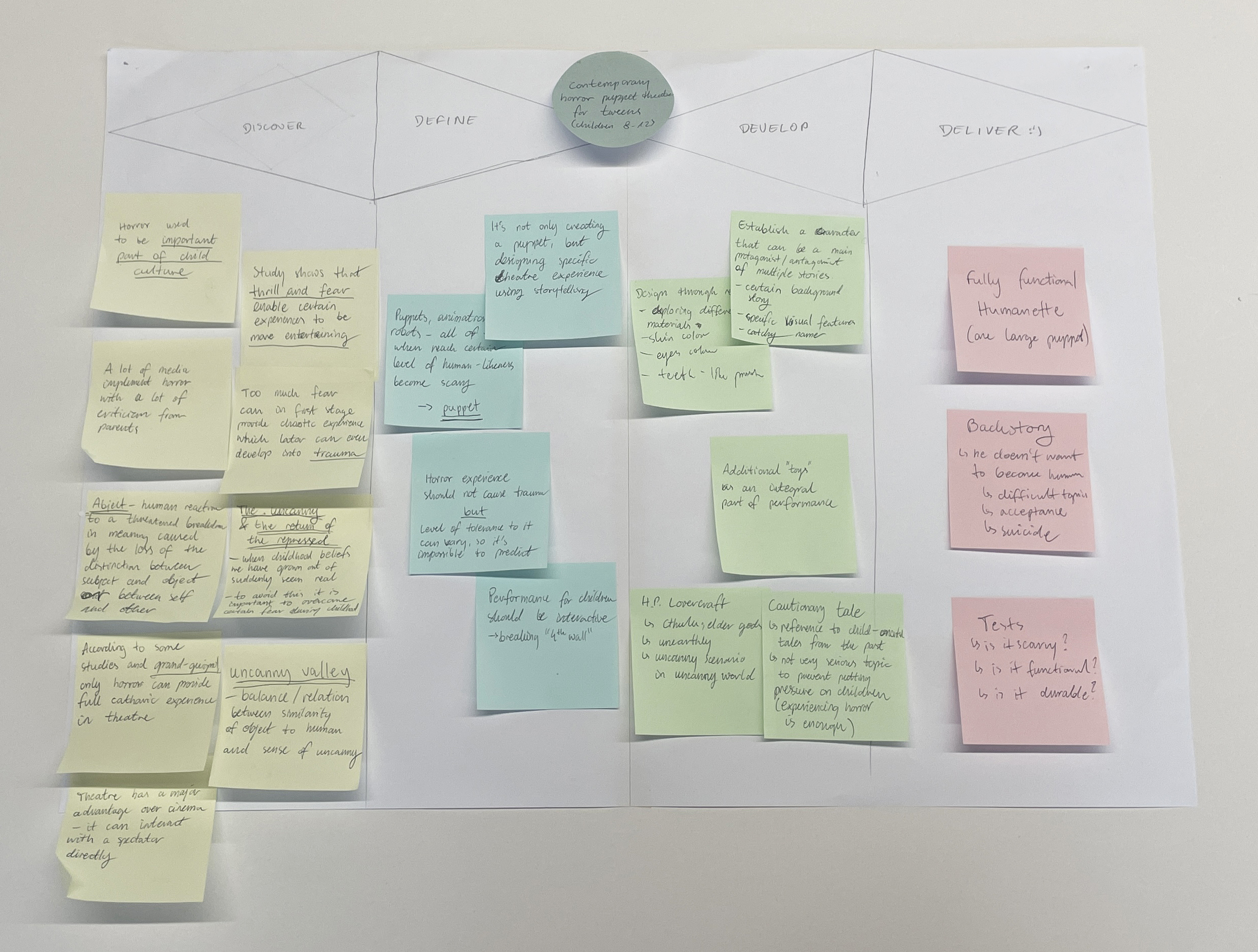
Another important aspect was implementing the design methodology in mostly artistic field. First, I positioned my role as a designer in the “designer-product-user triangle, in which my competences did not overrun the freedom of scenewriting of theatre professionals. Then, the workflow was organised in the form of the Double Diamond.
Sketching and Material Research
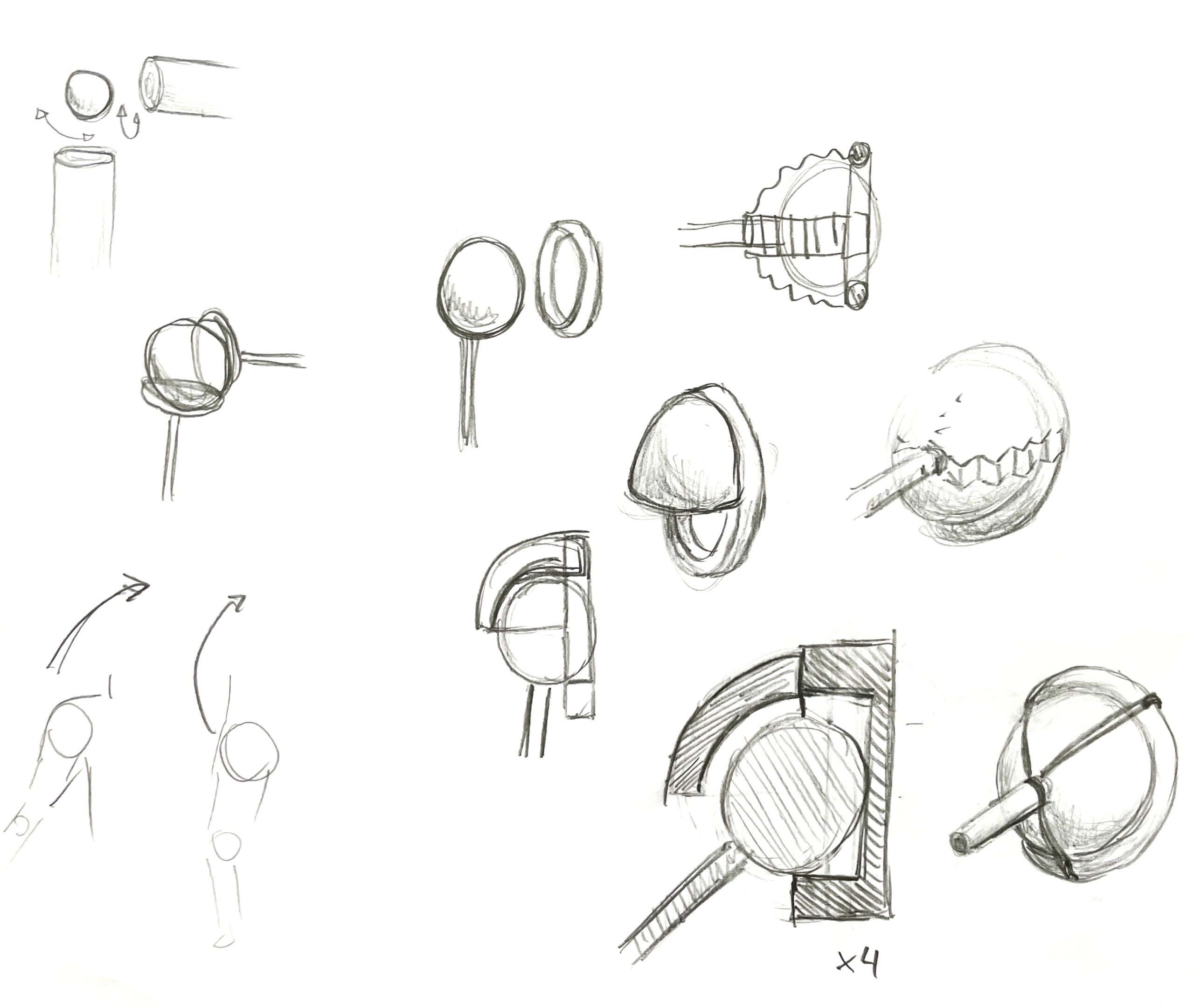
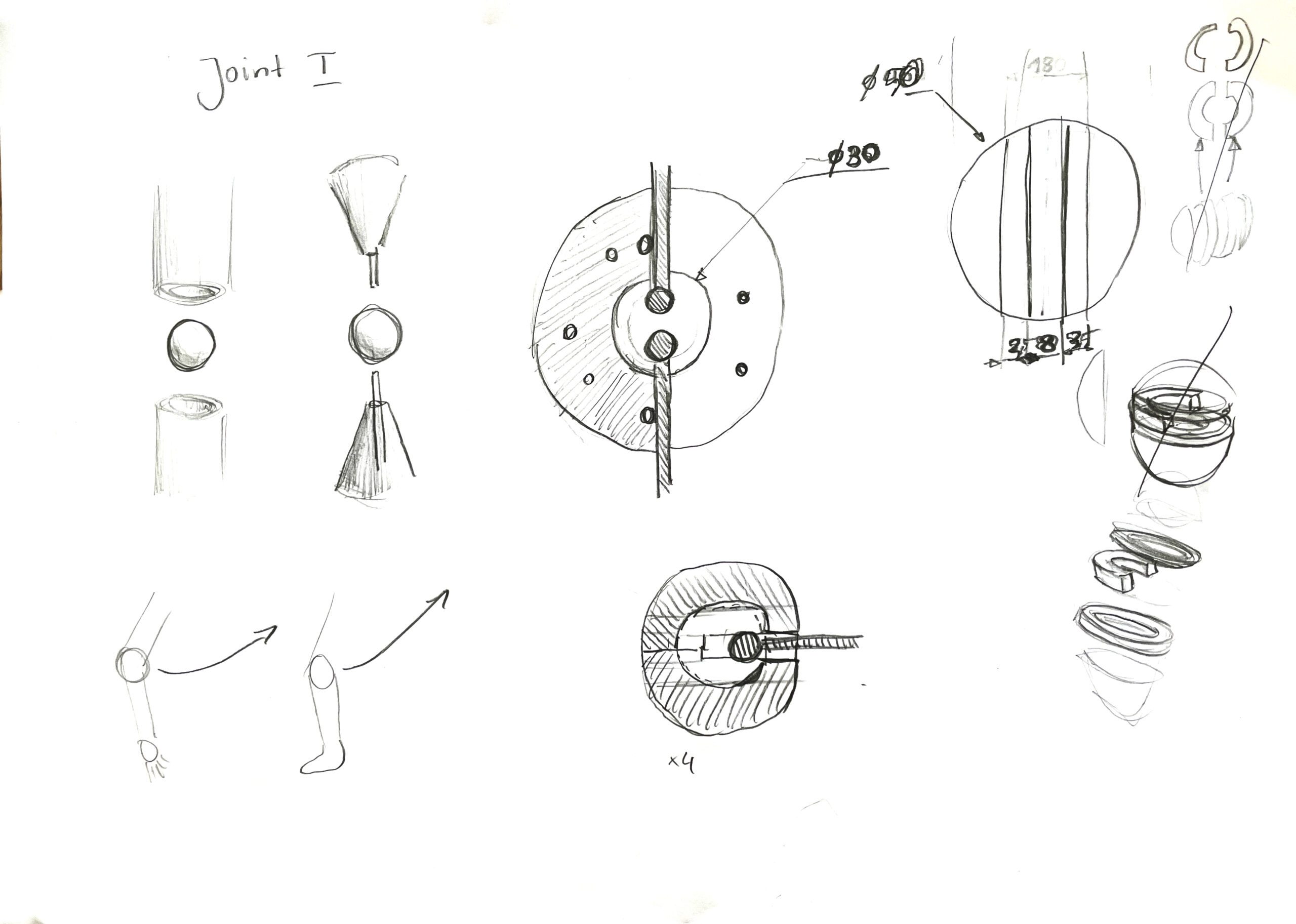
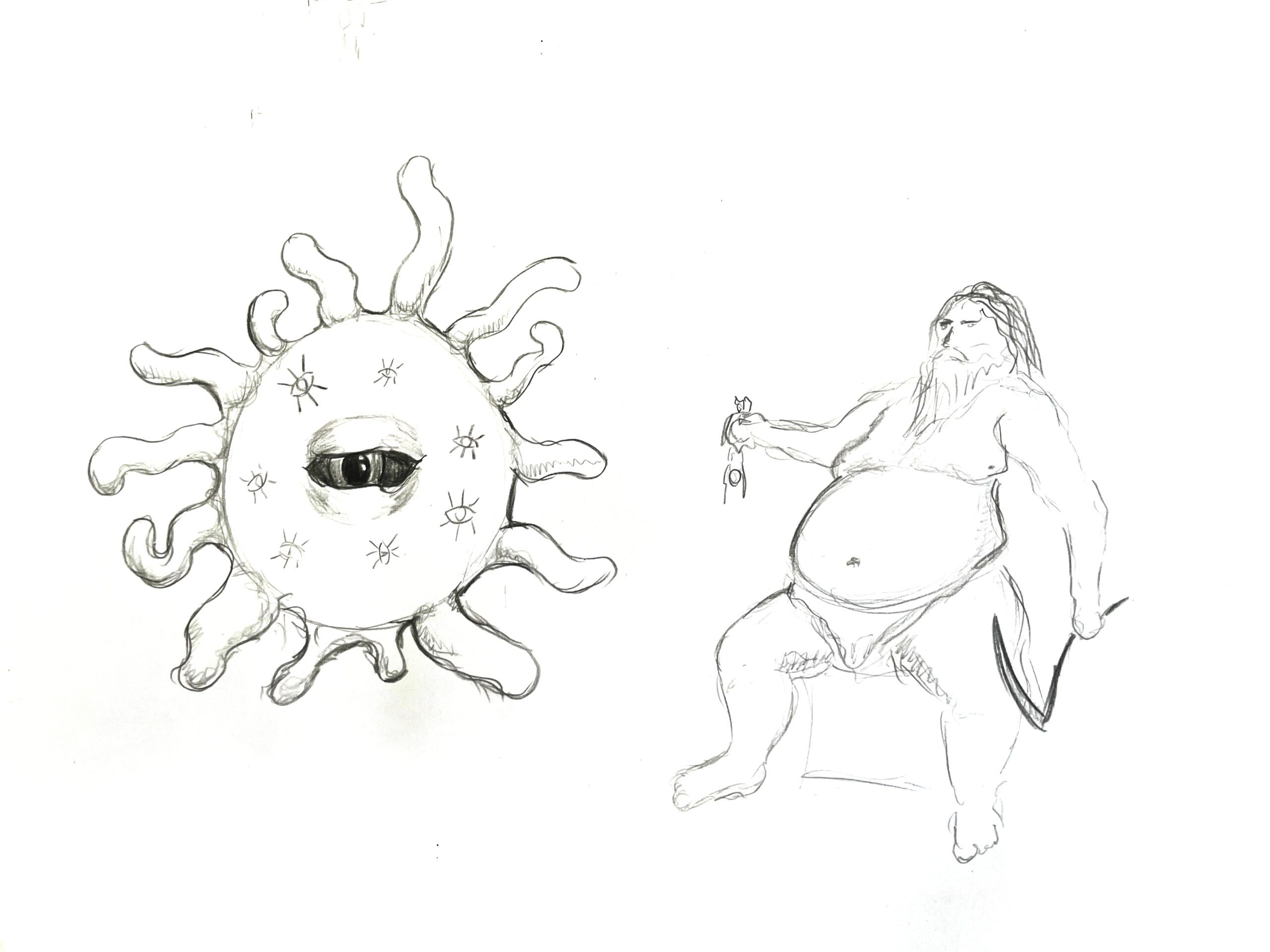
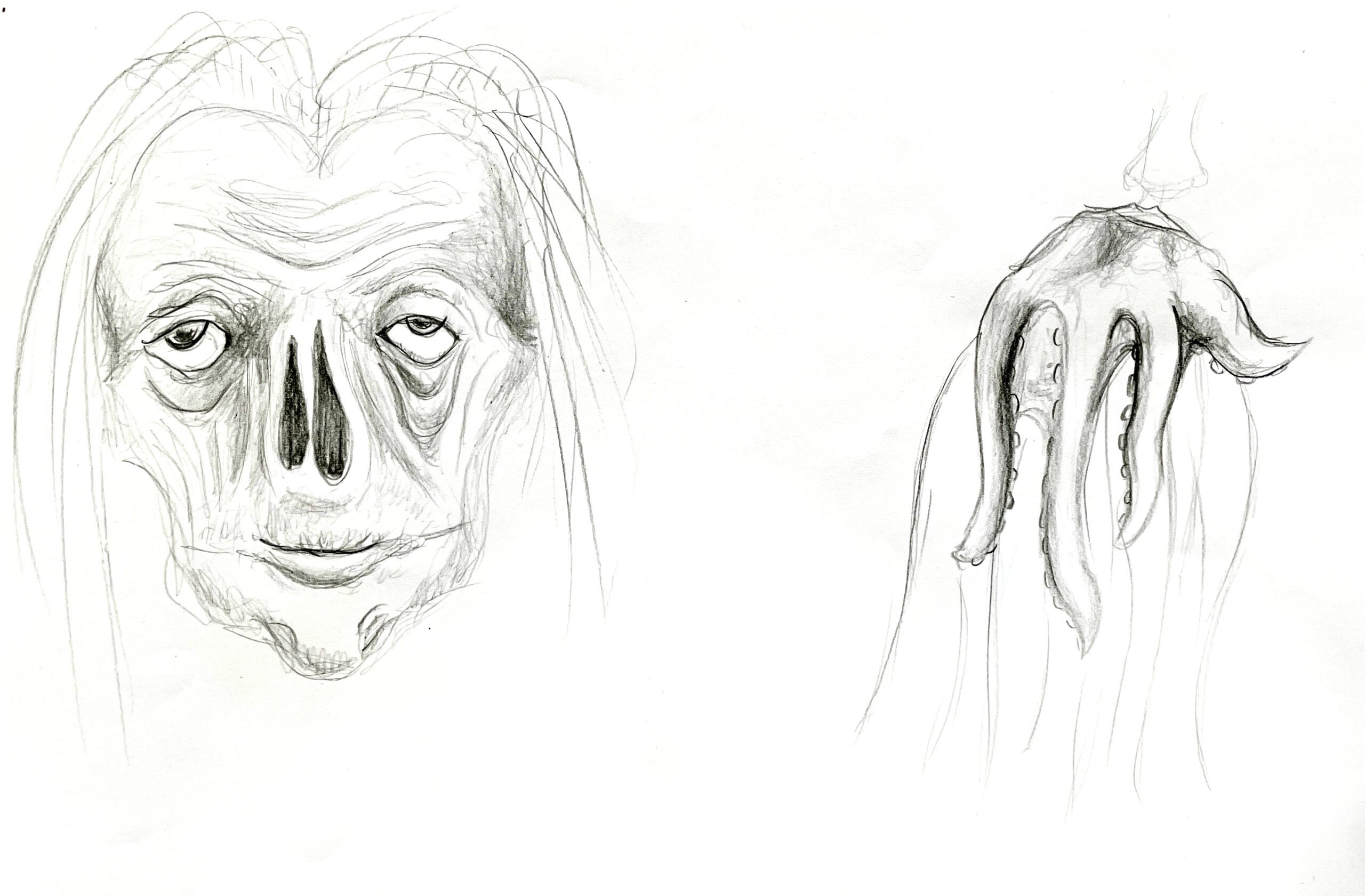
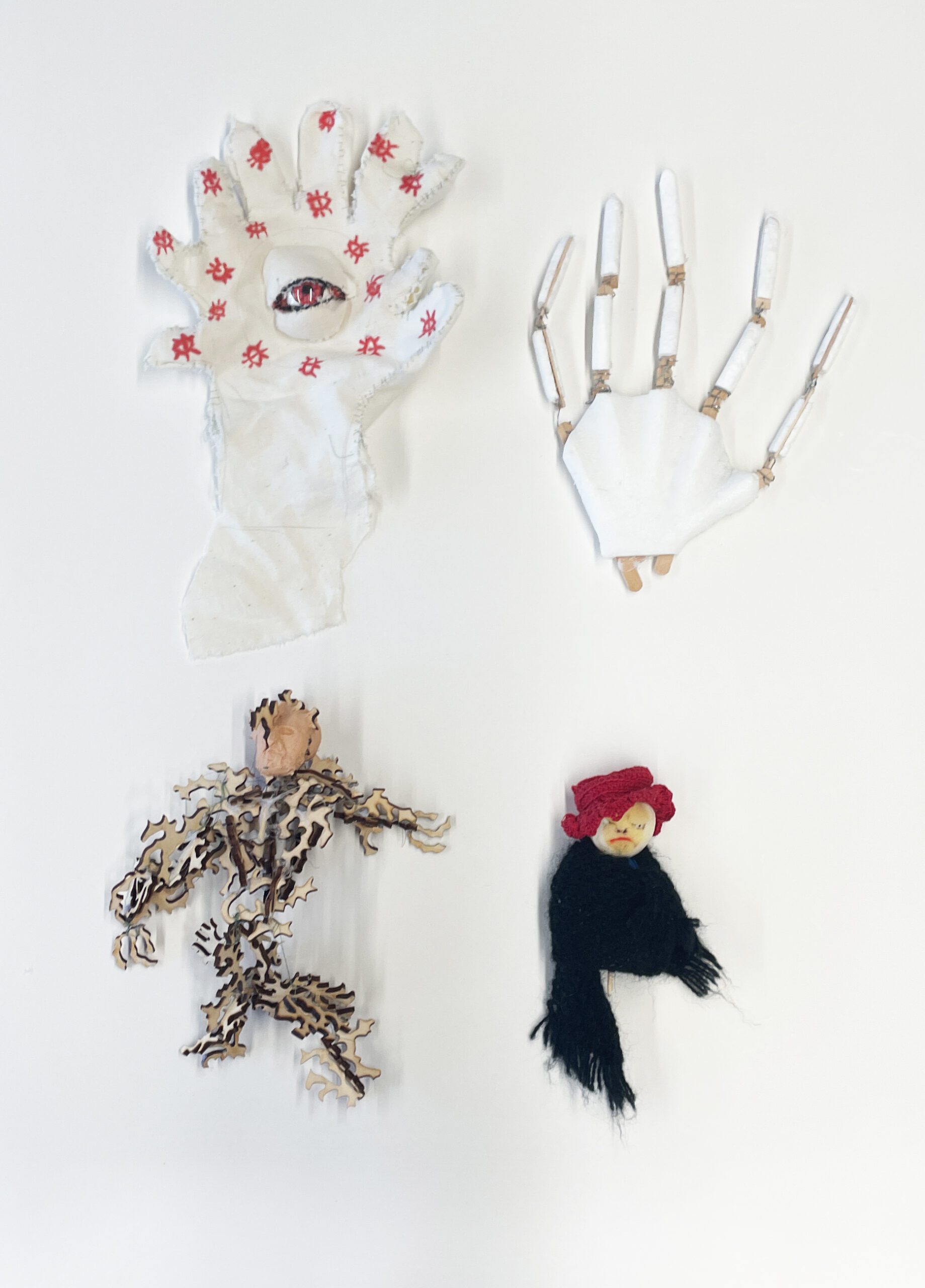
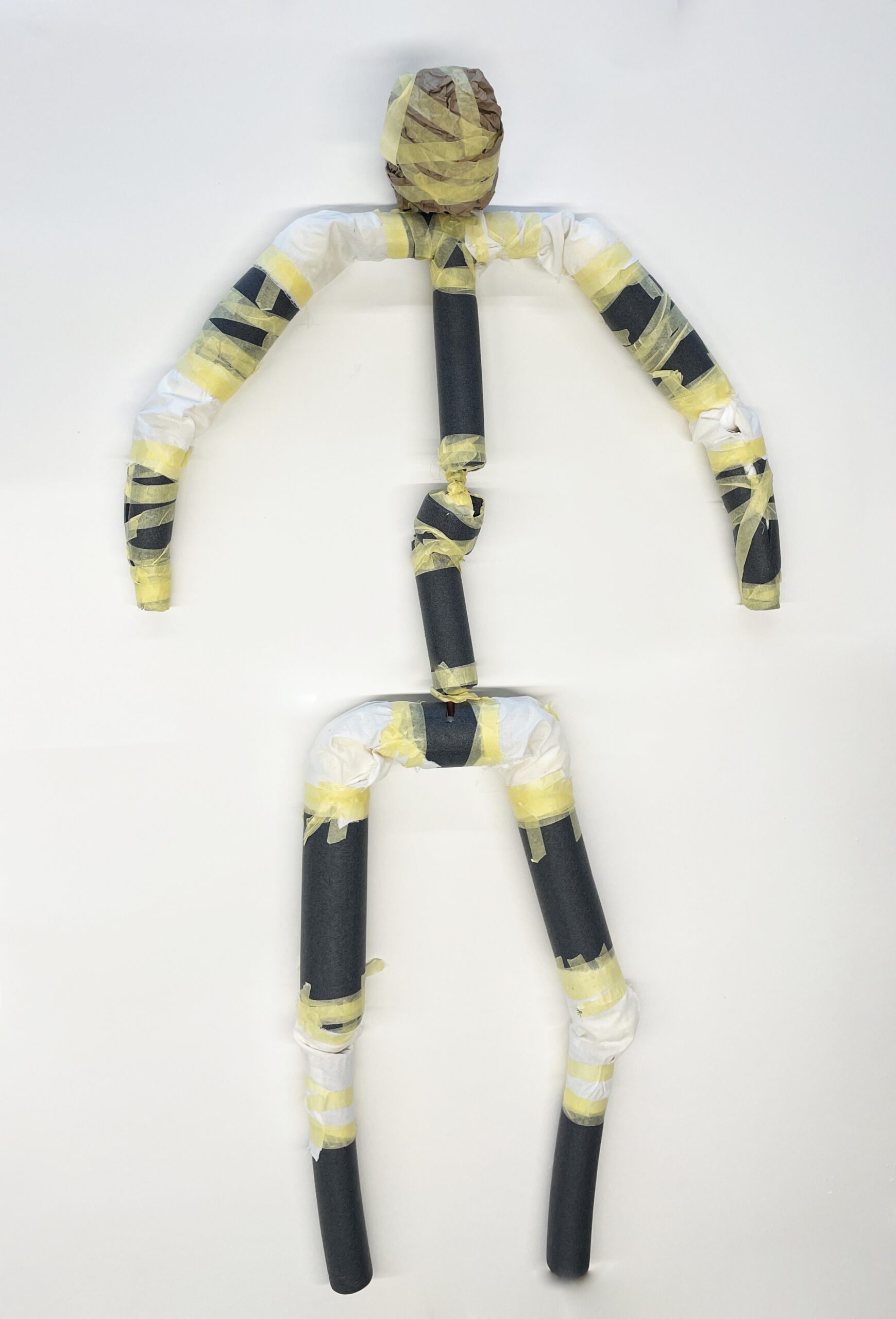
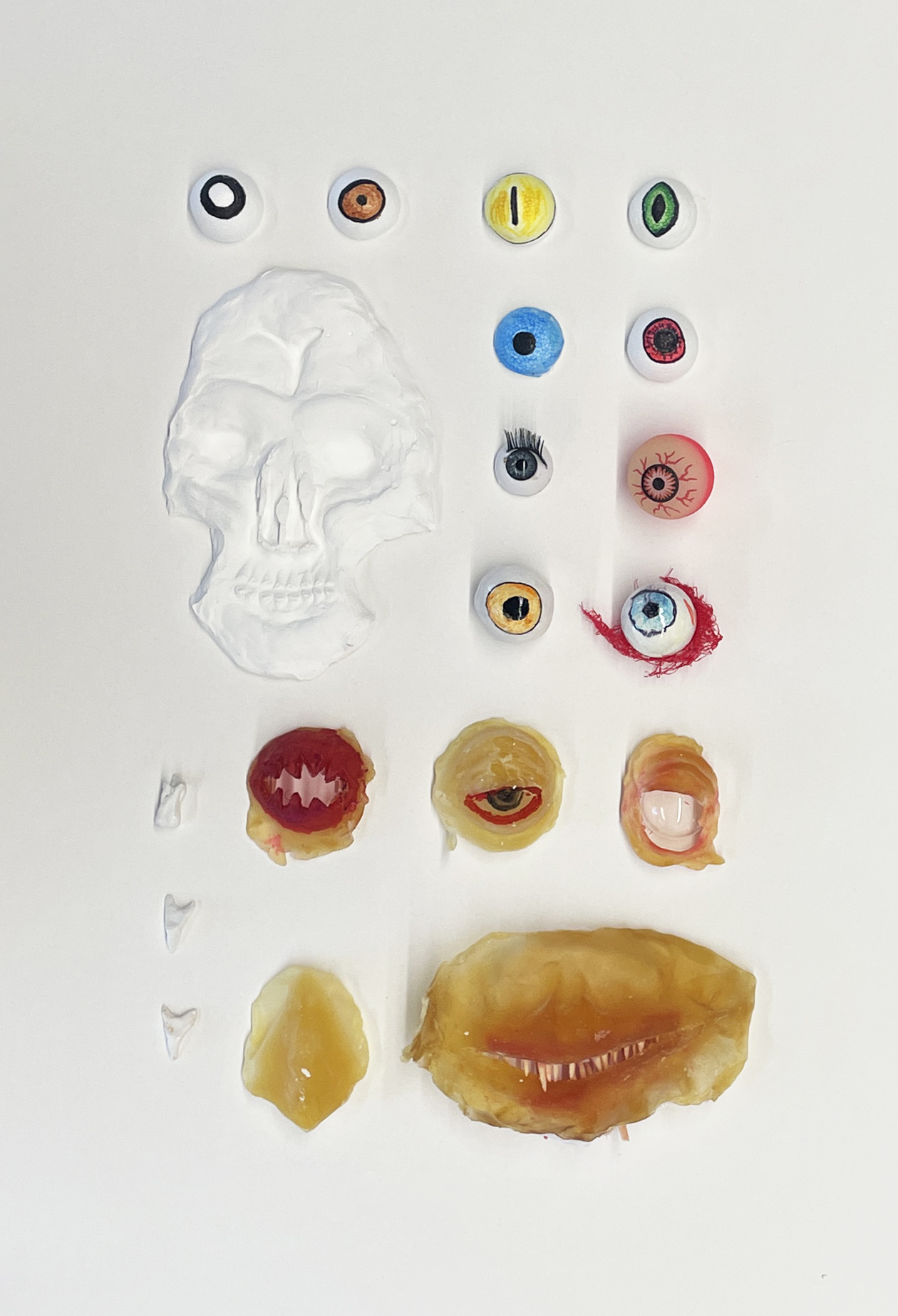
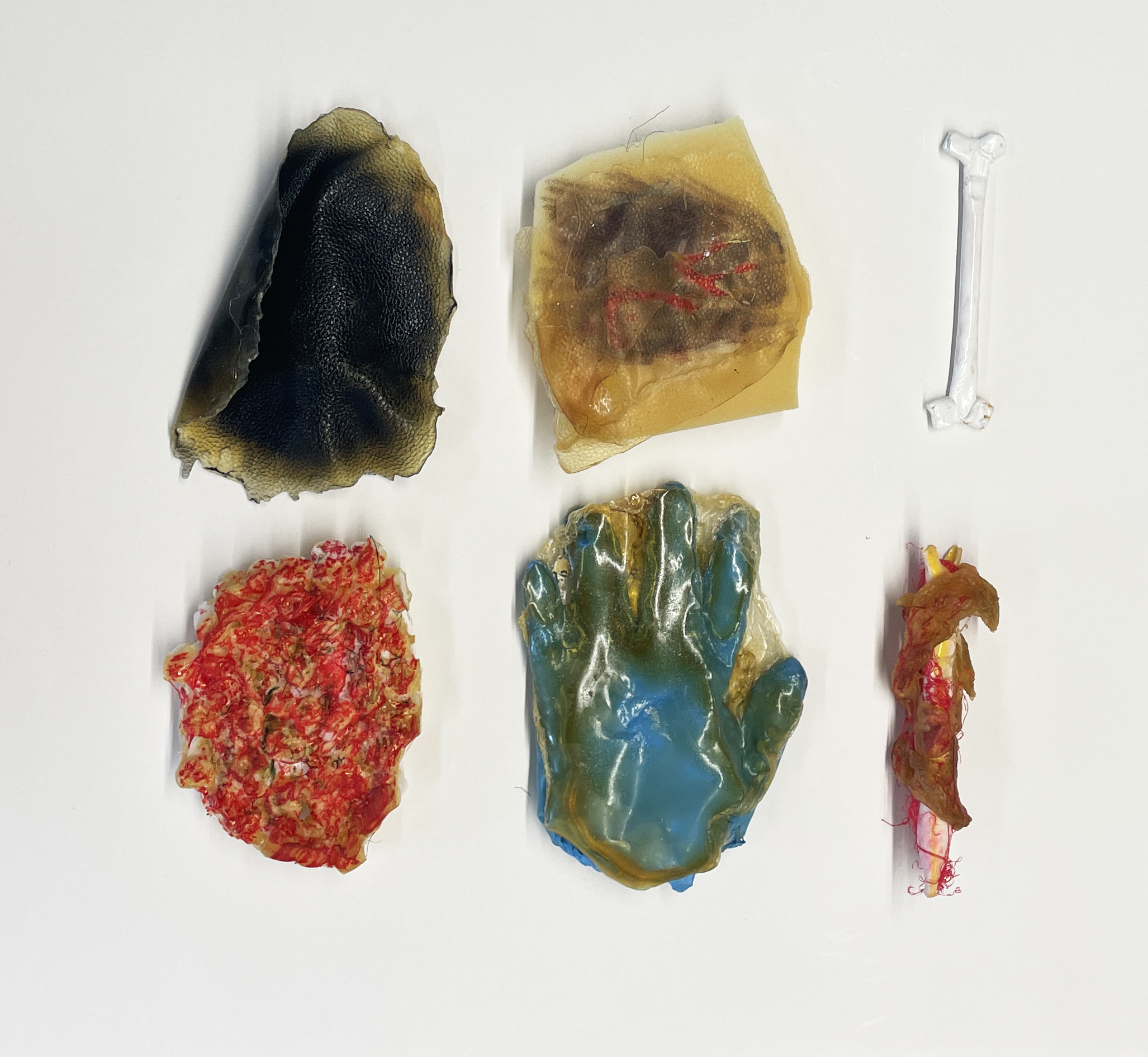
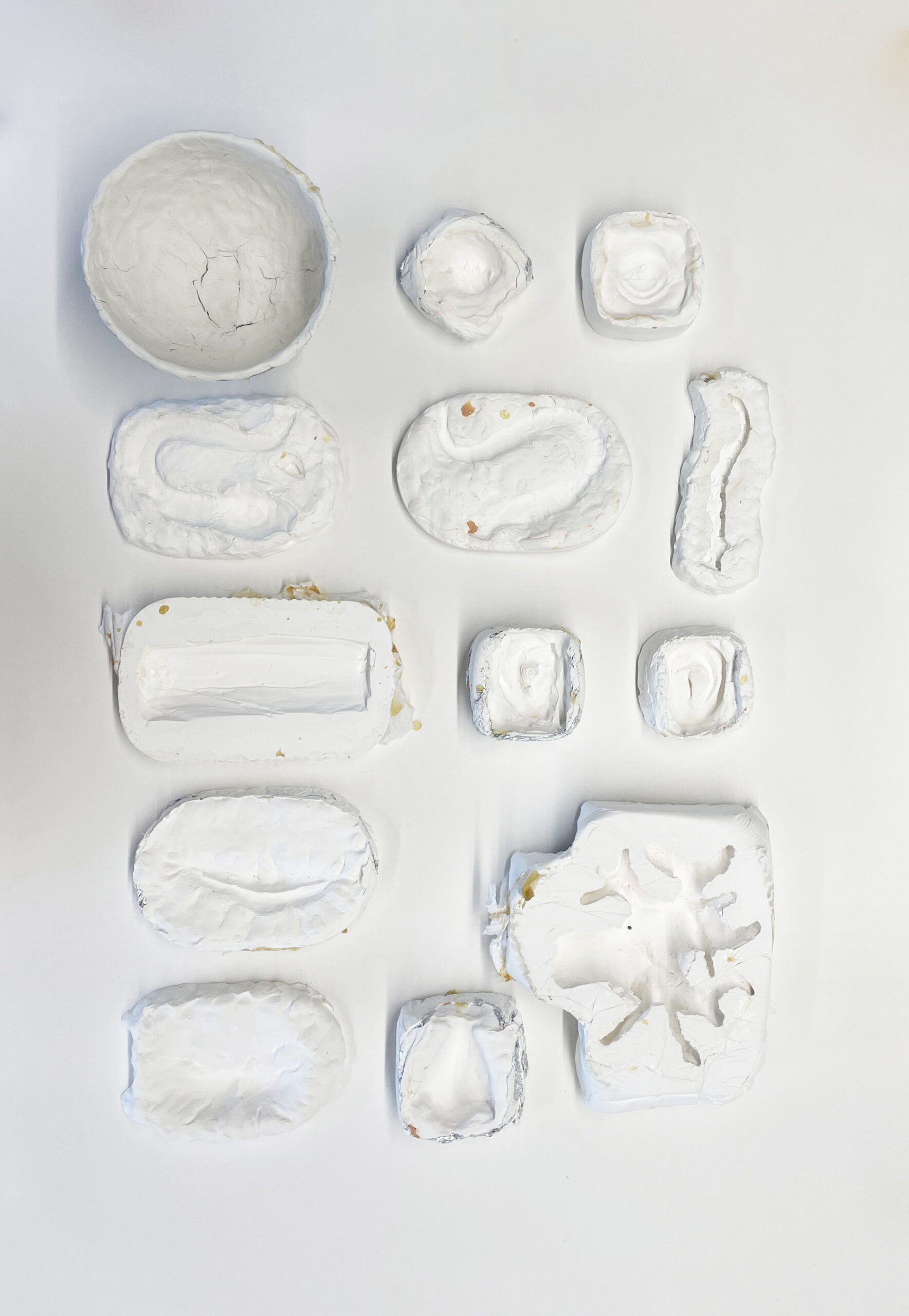
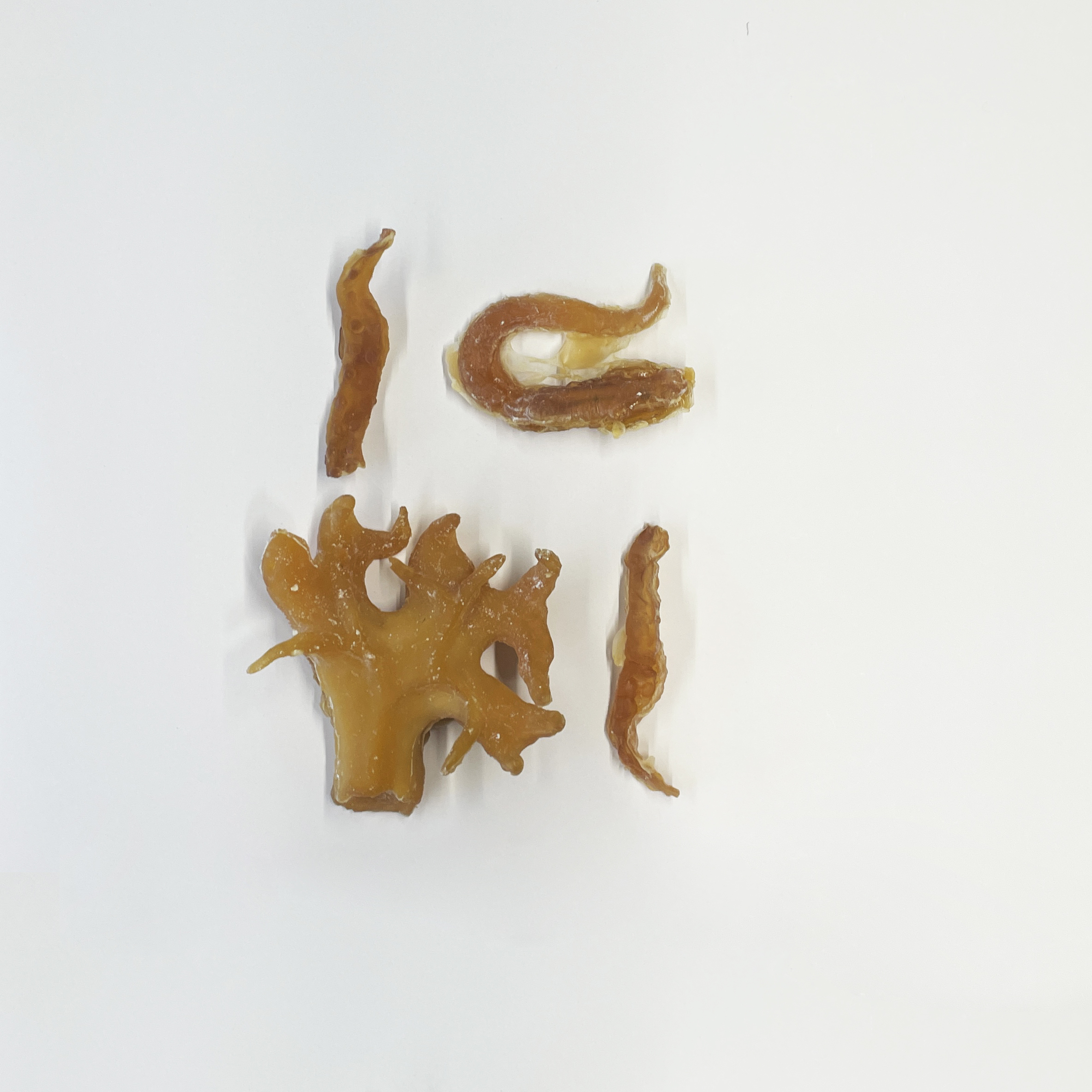
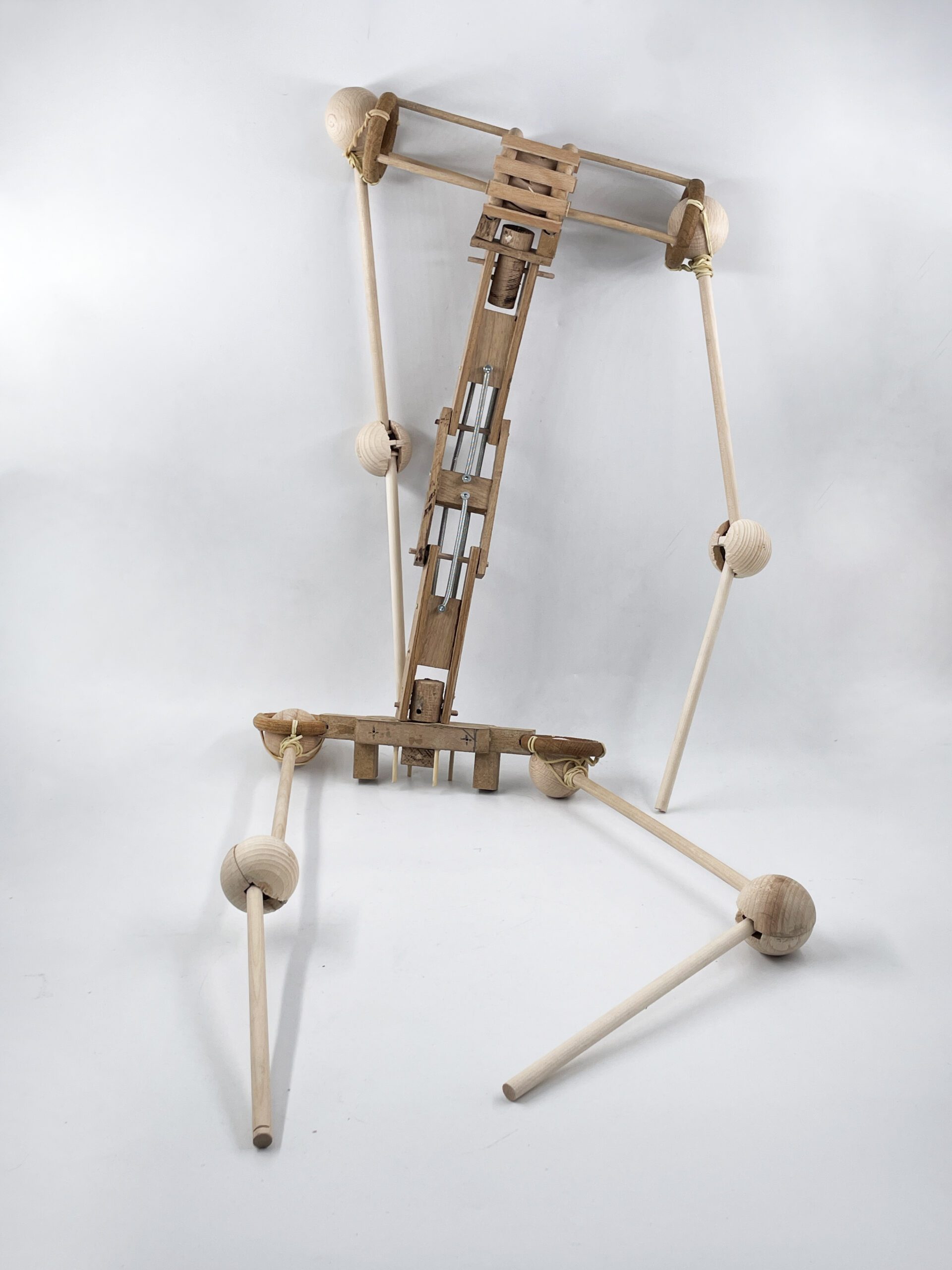
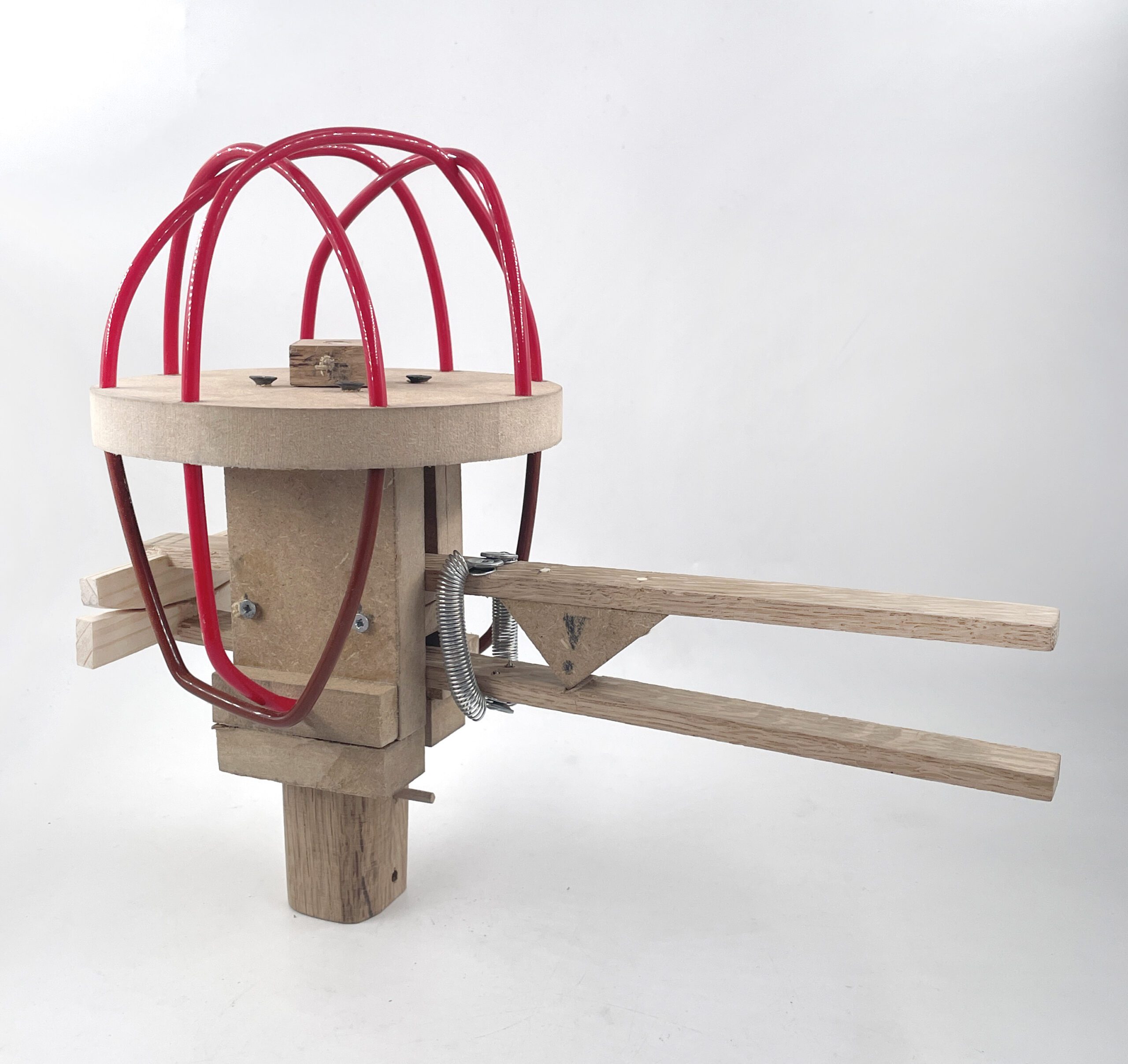
In the process, I also followed a “design through research” path with emphasis on manual sketching and material research. Sketches helped me develop the internal structure and appearance of the puppet, and material research allowed me to choose the puppet type with the most potential to evoke the feeling of the uncanny, as well as dive into new techniques such as latex casting.
Result
Final prototype
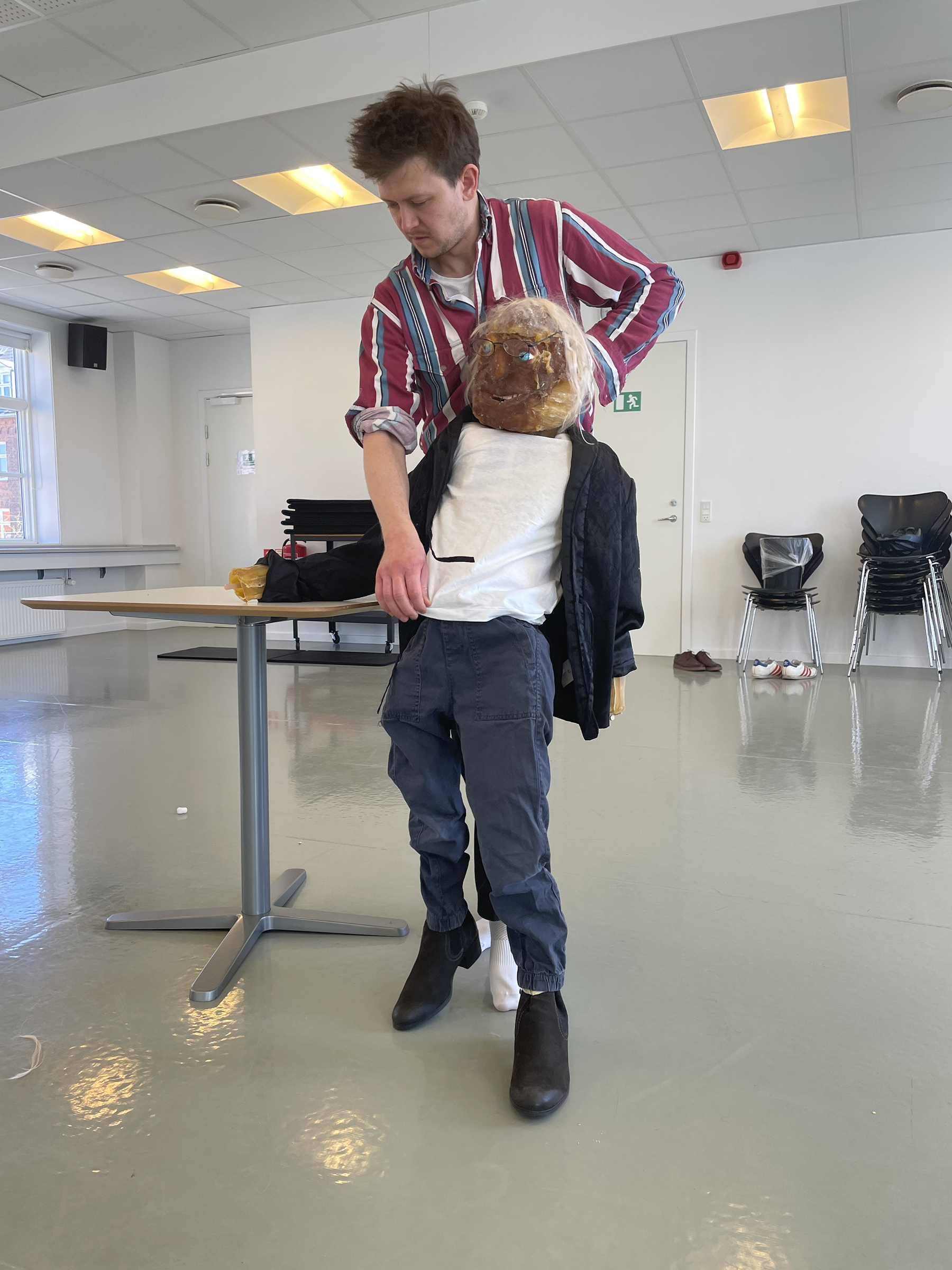
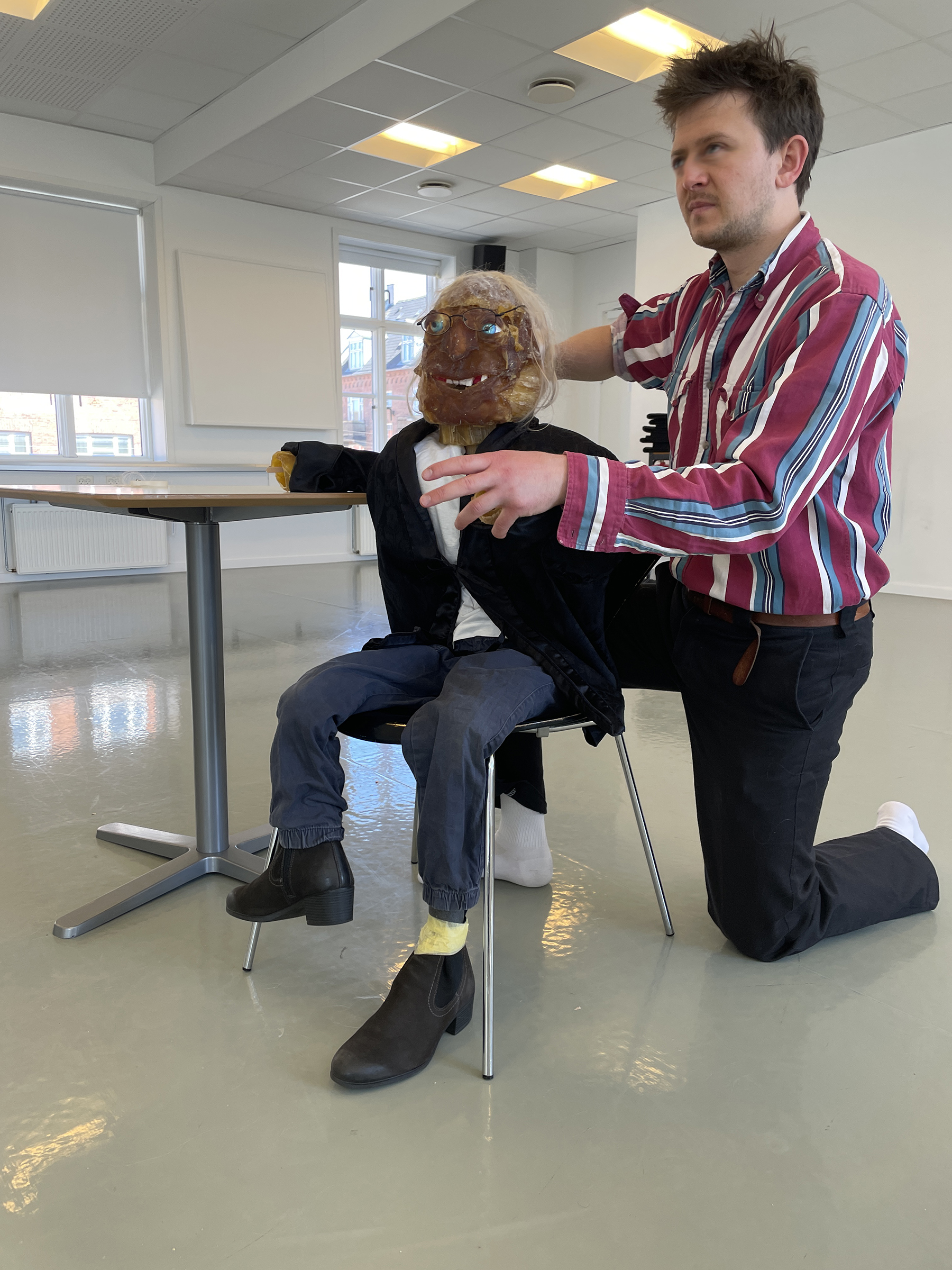
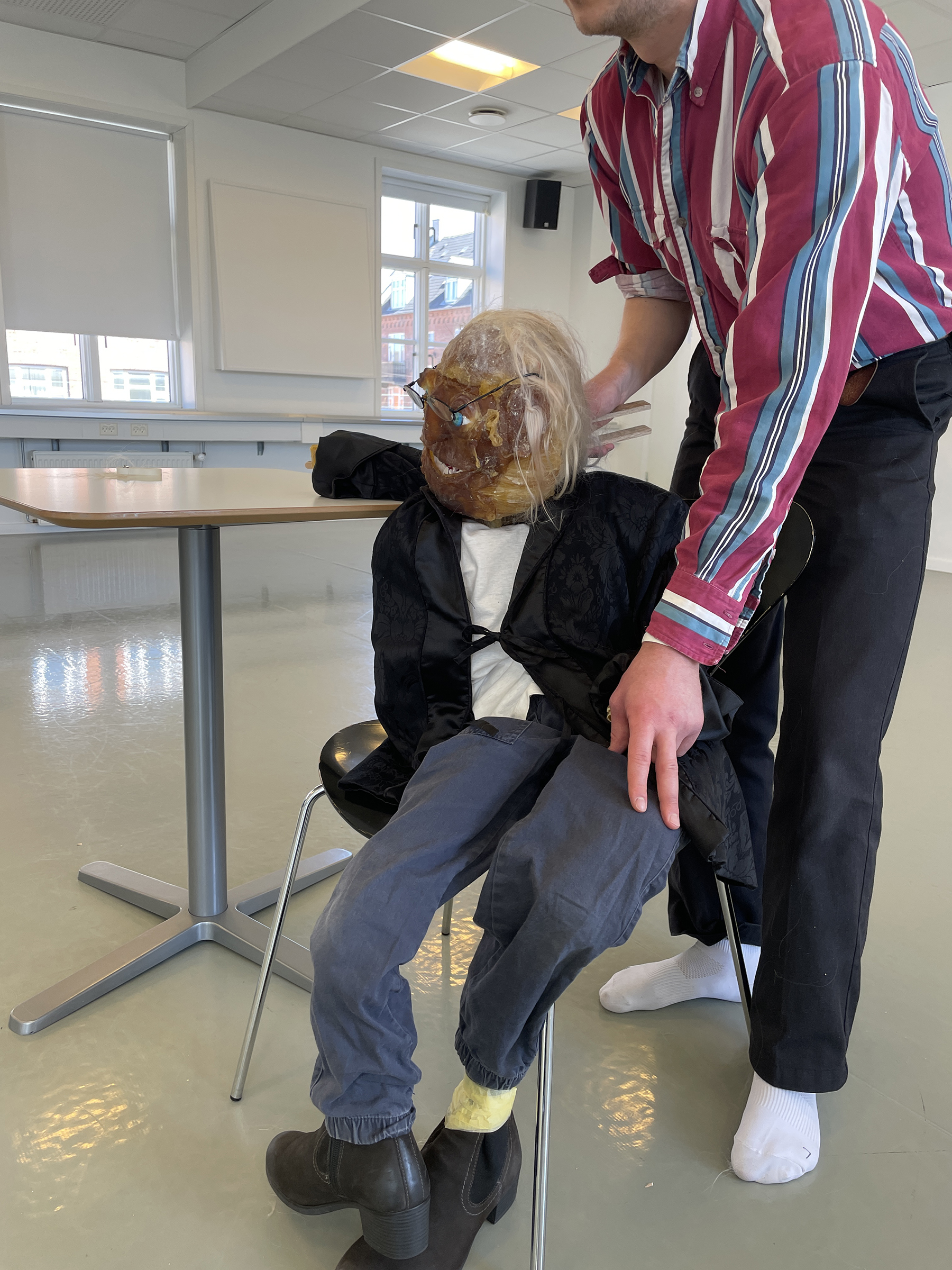
The main goal of the thesis was achieved – a puppet, as a horror-based child-culture design, both in the process and as an artifact. Theatre professionals have tested Josh (the puppet’s name) to ensure its potential to perform onstage with positive results.
Josh is open to collaborations with theatres and potential performers who could use him to touch difficult topics as self-acceptance, people’s prejudice, and suicide, as Josh’s background is that he is the puppet who doesn’t want to become human.
A condensed version of the thesis, my goal, how I achieved it, and the creation of Josh was summarized in a short documentary about intersecting play with horror by Asmus Kromann Bork.

“A walk through the Uncanny Valley”
Let’s stay in touch! ( ͡° ͜ʖ ͡°)
Are you interested in one of my existing projects or maybe you want to create something new and exciting with me? Don’t hesitate and write to me down below.